
Environmental Toxins
also known as environmental toxicants
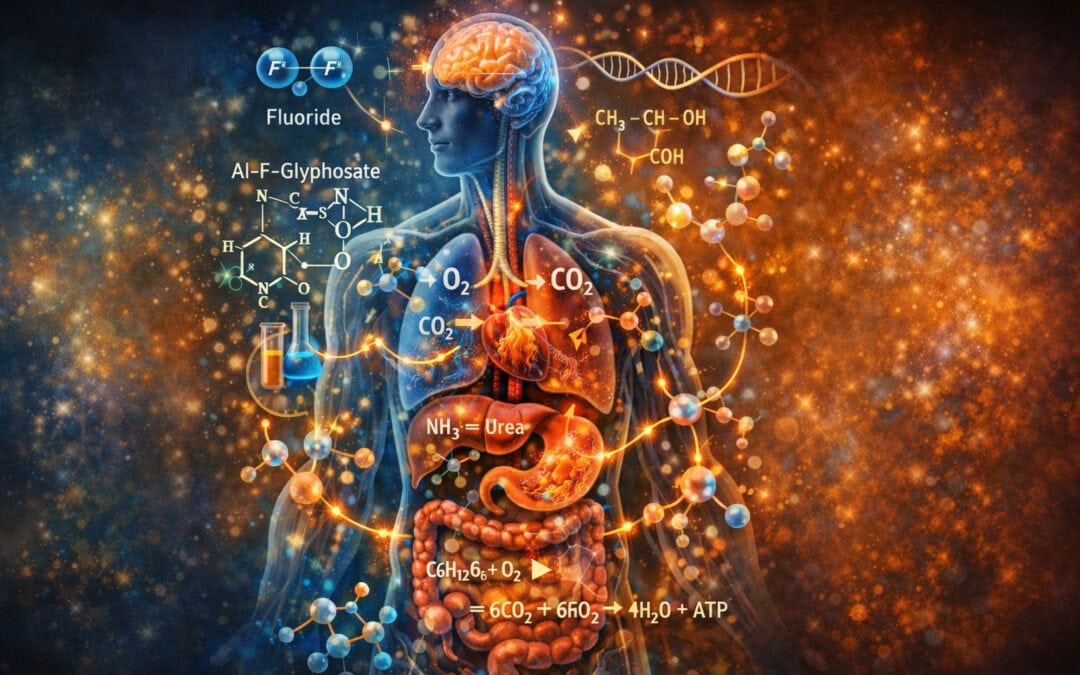
The Hidden Chemical Partnership: How Glyphosate and Fluoride Collide Inside the Human Body
For decades, Americans have been assured that two of the world’s most controversial chemicals are “safe in small amounts.” One is fluoride, intentionally added to public water supplies to prevent tooth decay. The other is glyphosate, the main ingredient in the herbicide Roundup®, used on everything from corn and soy to suburban lawns.
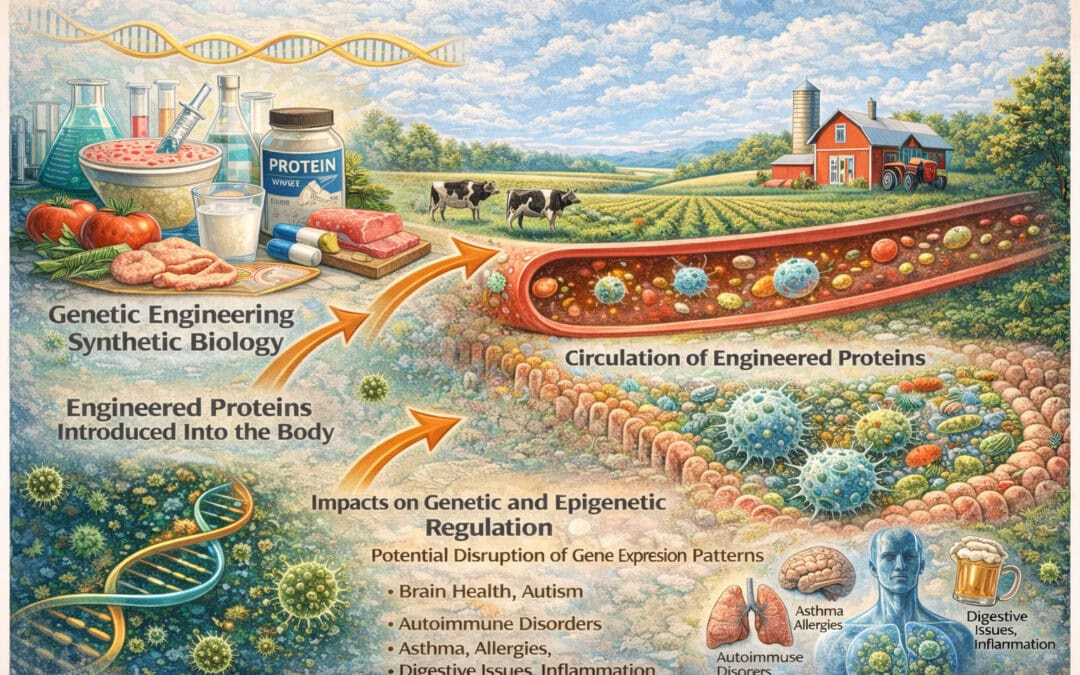
When “Almost the Same” Is Not the Same
How genetically engineered and synthetic biology–derived proteins may quietly shape immune health and gene expression. Modern food and biotechnology are increasingly built on a simple promise: if a protein looks the same on paper, it should behave the same in the body. This assumption underlies many genetically engineered and synthetic biology–derived foods now entering the marketplace, from precision-fermented dairy proteins to lab-produced amino acids and enzymes. But human biology does not...
GMOs on X
This is a different type of blog/article. My news stems mostly from X. I grew weary from censorship and factchecking and thought X might be the safe news haven. For the most part, I believe that to be true, unless I am criticizing Dr. Makary and the FDA position on...
The MAHA Commission Report: A Brief Overview From a Pediatrician’s Lens
The delivery of the MAHA Commission Report in true Warp Speed time is a stark and welcome change to the previous decades of avoidance and lack of any real communication regarding the documented decline in our children’s health. Let me begin a breakdown of the...

Synthetic Milk and Our Children: A Pediatrician’s Cautionary Tale
Article 7 in the Got REAL Milk Series Why Synthetic Milks May Be a Bad Idea for Children:A Pediatrician’s Perspective A summary for busy parents: Synthetic milks lack key bioavailable nutrients found in organic dairy, including healthy fats, essential amino acids, and...

Infant Formula References and Citations
GMOScience has developed a comprehensive body of work under the “Got REAL Milk” series, centered on our 2024 study examining toxic metals in infant formulas. This series explores issues related to toxic metal contaminants affecting infant nutrition and the health...

DIY Infant Formula
Article 6 in the Got Real Milk Series As parents, we all want to give our babies the very best start in life, and that begins with proper nutrition. Breast is best, and when that is not possible, parents will seek out infant formulas. While commercial infant formulas...

GMOScience Responds to Forbes on Toxic Girl Scout Cookies
This letter is in response to the article written by Stephanie Gravalese in the Lifestyle/Dining edition of Forbes Magazine regarding our findings of toxicants and heavy metals in Girl Scout Cookies.
Healthy Soil = Healthy Kids
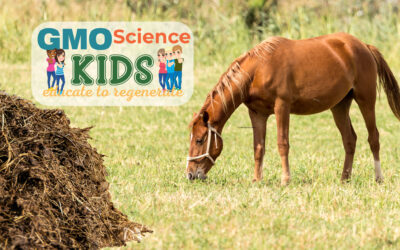
The food you eat and the air you breathe depend on the health of the soil beneath your feet! Healthy soil is packed with nutrients that help fruits, vegetables, and grains grow strong, which means you get the vitamins and minerals your body needs to stay healthy. When...

Danger in the Dough: Unveiling the Toxic Contaminants in Girl Scout Cookies
Article by Michelle Perro, MD, Stephanie Seneff, PhD, and Zen Honeycutt BFA Introduction Consumer groups, GMOScience, Moms Across America, and supporters have commissioned the testing of Girl Scout cookies for toxic metals and glyphosate/AMPA (an herbicide and its...
Engineering the Perfect Baby: CRISPR: An Overview
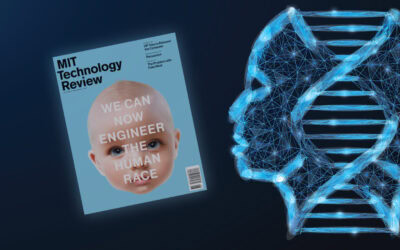
CRISPR is one of the latest genetic tools that allows scientists to make changes to DNA, the molecule that carries the instructions for how living things grow and function.
The National Citizens Inquiry
GMOScience Speaks on Behalf of our Children and Food Safety
Over the past two years, a citizen-led and independently funded initiative was established, The National Citizens Inquiry, to amplify the voices of ordinary Canadian citizens and document their experiences during the COVID-19 pandemic. Operating outside of government influence, this initiative sought to understand the events that unfolded and develop recommendations to ensure that future crises are managed with minimal harm to the public.